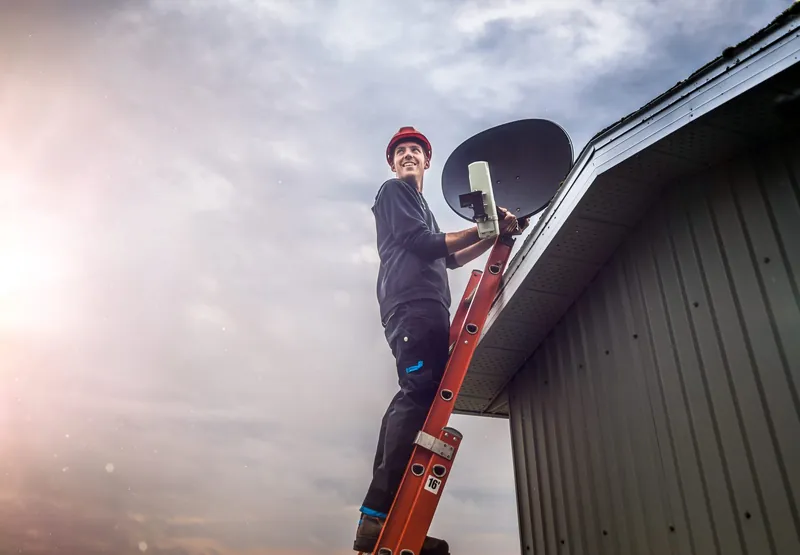
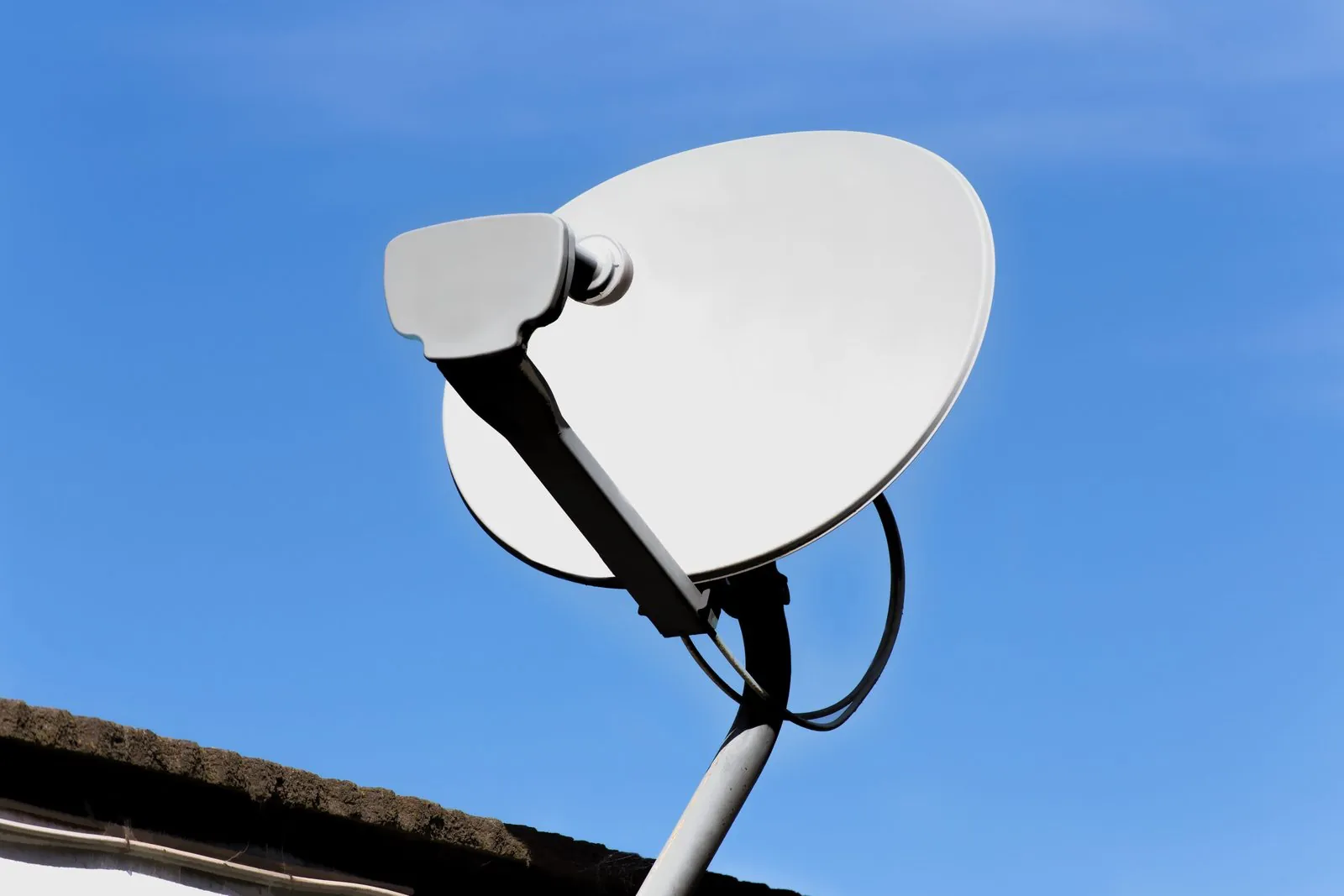
A DStv installation in a new home is easiest when it is planned during the build, not after you move in. If conduit for the coaxial cable is laid before plastering, TV points end up exactly where you want them, there are no cables clipped along skirting boards, and the dish can go in a position chosen for signal rather than convenience.
Leave it until the house is finished and the installer has to work around closed walls, painted surfaces and a roof nobody wants drilled. This guide explains what to plan, who to involve, and at which stage of the build.
Planning DStv Stage by Stage During the Build
At the plan stage
Mark every room that might ever have a TV, decide roughly where the dish will go, and check your estate's architectural or HOA rules on dish placement.
When walls go up
Have conduit chased into the walls to each planned TV point, leading up to the roof space or to the planned dish location.
Before plastering
Confirm every conduit run is in, clear and fitted with a draw wire. This is the last easy chance to add a point.
Once the roof is on
Agree the final dish mounting point, so a bracket or pole can go on a solid surface with a clear view of the sky.
Near completion
Book the installer to mount the dish, pull cable through the conduit, terminate each point and test the decoder.
Conduit and TV Points: Getting the Hidden Work Right
Most of the long-term value in a new-build DStv setup comes from work you will never see. Conduit is simply a protective pipe inside the wall that cable is pulled through later. Without it, cable either has to be surface-mounted or the wall has to be chased and patched after the paint is done.
How many points to plan
Plan for more than you need today. The main lounge, the main bedroom and a family room or study are typical, and a patio or entertainment area is often added later. Running conduit to a room costs far less during the build than cutting into a finished wall. If you expect to use DStv's XtraView option to watch different channels in two or three rooms, each of those rooms needs its own cable feed. Our article on signal distribution to multiple TV points explains how this works.
What good conduit looks like
- Wide enough. The conduit should take the coaxial cable comfortably, with room to pull a second cable later if needed.
- Gentle bends. Coaxial cable does not like tight corners. Sweeping bends make pulling easier and avoid kinks.
- A draw wire left inside. A draw wire or pull string in each run lets the installer pull cable through without guesswork.
- Separate from mains wiring. Keep TV conduit separate from electrical conduit. Your electrician can advise on the routing.
- A clear end point. Each run should finish at a known spot in the roof space or at the planned dish location, and be labelled so you know which room it serves.
Plan the wall height with the TV in mind
If the TV will be wall-mounted, place the TV point where the back of the screen will sit, so the cable is hidden. If it will stand on a unit, a lower point near the cabinet works better. Each decoder also needs a plug point beside it, which your electrician should include in the electrical plan.
Putting the Dish on the Plan
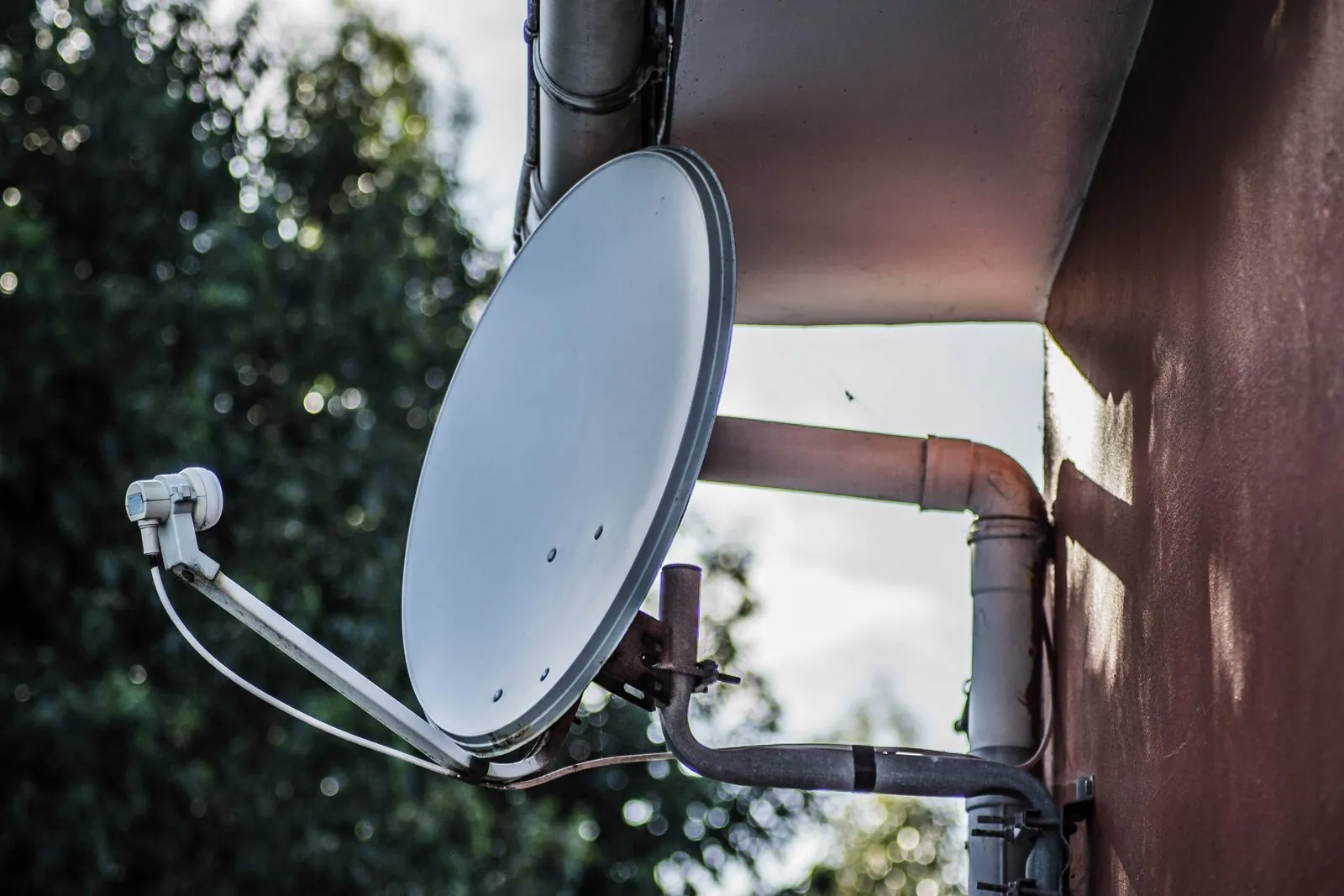
DStv is received from the IS-20 satellite, and from Gauteng the dish points roughly north-east, angled upward. The dish needs a clear view of that part of the sky, so the position should be decided with the house's orientation in mind.
- Look beyond your own plot. An empty stand next door may become a double storey. A position higher up or further from the boundary can protect you against that.
- Think about future trees. That small tree planted in the garden may block the dish within a few years if it is on the north-eastern side.
- Keep away from power lines. The dish and cable work should be well clear of any overhead lines feeding the property.
- Allow for safe access. A position that can be reached safely later makes realignment or LNB replacement simpler and safer if it is ever needed.
- Keep the cable short. Placing the dish close to where your conduit runs end reduces cable length and the number of joints.
Our guide to choosing a satellite dish position covers the trade-offs between roof, wall and pole mounting in more detail.
How Your Roof Type Affects Dish Mounting
New homes in Gauteng use a range of roof types, and each affects where and how a dish can be fixed.
Tiled roofs
Tiles can crack if walked on or drilled carelessly, so dishes on tiled roofs are often mounted on a wall, gable or fascia instead. If the roof is still being built, ask whether a solid mounting point can be allowed for.
Sheeted roofs
IBR or corrugated sheeting needs fixings that keep the roof watertight. Penetrations through new sheeting should be planned and sealed, and many owners prefer a wall mount to avoid drilling the roof at all.
Flat concrete roofs
Common in modern designs, they often suit a pole or frame mount. Waterproofing membranes must not be damaged, so involve your builder or waterproofing contractor in agreeing the fixing method.
Thatched roofs
Thatch is not a surface to fix a dish to. A wall bracket or a freestanding pole elsewhere on the property is the usual answer, with cable routed to the house.
Got building plans and want to know where the dish and TV points should go? Call 083 489 1322 while the walls are still open.
Working With Your Builder and Electrician
DStv planning works best when everyone on site knows about it early. A few practical steps help:
- Give your builder a marked-up plan showing each TV point, its approximate height, and where the conduit should end.
- Ask your electrician to add a plug point beside every planned TV position.
- Make sure TV conduit is laid separately from electrical conduit, and that nobody uses it for other cables.
- Ask the builder to leave a draw wire in every conduit and to cap the ends so plaster and debris cannot block them.
- Photograph the conduit runs before plastering. Those photos are useful if anyone needs to trace a route later.
- Bring in your DStv installer once the roof and walls are finished, but before final painting if possible.
OnspotElec handles the DStv side only: the dish, LNB, coaxial cable, connectors and decoder setup. Plug points and electrical work belong to your electrician.
Estate Rules and Architectural Guidelines
Many new homes in Gauteng are built in estates or complexes with their own rules. These often control where a dish may be mounted and how visible it may be from the street.
Check with the HOA, the estate's architectural committee or the managing agent before you settle the dish position. In some developments, units share a central dish with multiswitch distribution rather than having individual dishes, which changes what needs to be planned inside your home. Our complex and estate installation service covers shared systems.
For a freestanding house with an Explora decoder, DStv recommends its Smart LNB, which builds the function of a DStv switch into the LNB. DStv also notes that it is not generally suitable for complexes and apartment blocks, which is another reason to confirm early whether your home will have its own dish.
New-Build DStv Questions
Talk to one at the planning stage, so the conduit and dish position are right, then book the installation itself once the roof and walls are complete.
Yes, but the options are more limited. Cable may have to run through the ceiling and down inside a wall where that is possible, or be surface-mounted, which is less tidy.
It is usually better for the builder to lay conduit with a draw wire and for the DStv installer to pull and terminate the cable. That way the cable type, connectors and testing are handled by the person setting up the system.
That is your choice. An Explora or Explora Ultra needs a dish and suitable cabling. A Streama works over the internet and needs no dish. Many owners plan conduit anyway, so a satellite setup remains possible later.
OnspotElec helps homeowners plan and install DStv in new builds across Gauteng, including developments in Midrand and further afield. Call 083 489 1322, or ask about our DStv installation service.