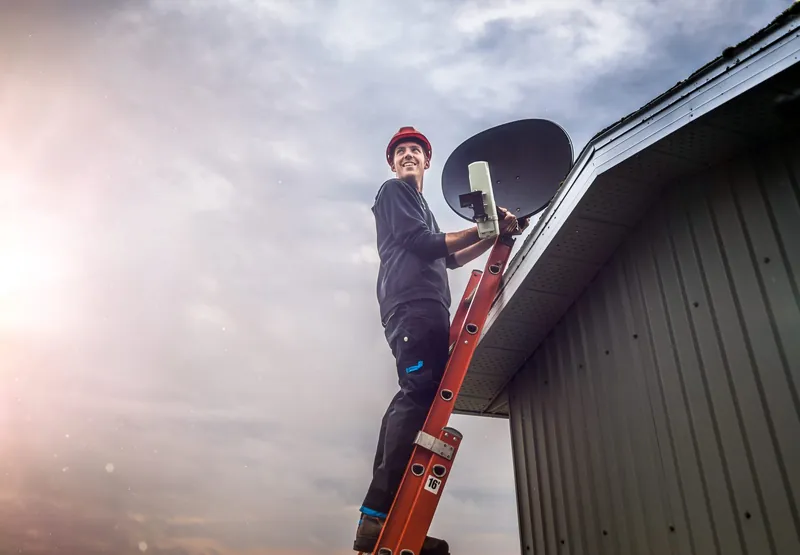
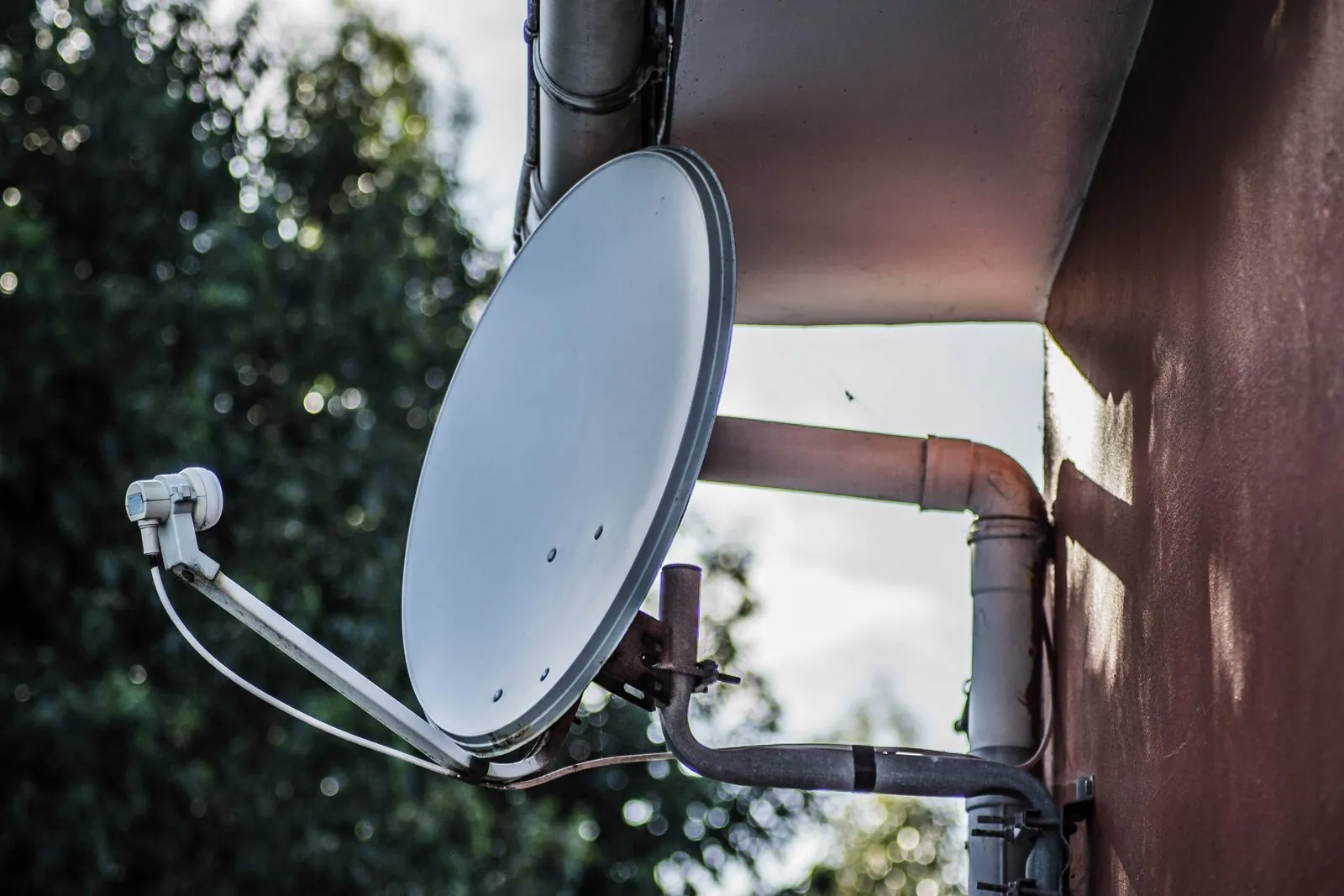
The single biggest factor in a DStv installation in Johannesburg is the property itself. A dish needs a clear view of the Intelsat 20 satellite, which from Gauteng means pointing roughly north-east and upward. Whether that view is easy to find depends on what is around the house: the age of the existing installation, the trees in the garden and on the street, the slope of the land, and the walls, fences and estate rules that come with city living. This guide looks at the property types and features that most often shape an installation in the city and what each one means in practice.
Older Homes and Ageing Installations
Many older Johannesburg houses already have a dish, often one that has been there through several owners and decoder upgrades. That can be a head start or a hidden problem.
Cabling that has spent years on a roof or along an outside wall is exposed to sun, rain and hail. The outer sheath can perish and crack, letting water into the cable, and older connectors corrode. Cables are sometimes extended with joiners when a TV moves to a new room, and each join is another place for signal to be lost. A dish bracket fixed into old plaster or a weakened fascia board may also have shifted over time.
Signs that an older installation needs attention rather than a quick decoder swap include:
- Signal drops in light rain, not just heavy storms. That suggests poor signal margin or water in the cable, rather than ordinary rain fade.
- Visible cracking or brittle cable. Sun-damaged outer sheathing is a common cause of weak signal.
- Several joins in one cable run. Each extra connector adds a possible fault point.
- A rusted or loose bracket. A dish that moves in the wind will lose alignment.
If you are upgrading to an Explora Ultra or adding a second decoder, it is often a good time to replace tired cabling at the same time. Pricing depends on the length of the runs and the access, so ask for a quote that covers both.
Flats and Apartment Blocks With Shared Systems
Johannesburg has a large number of apartment blocks, from older walk-ups to newer high-rise buildings. Many have a shared dish and multiswitch on the roof, with a cable running to each flat. If yours does, the first step is to find out whether your flat's cable is connected and working, and who looks after the shared system.
Shared systems in older buildings can have their own issues: a multiswitch with no spare outputs, cable runs that were cut during renovations, or a roof dish that nobody has checked in years. When several residents lose signal at the same time, the fault is usually in the shared equipment and is a matter for the body corporate or building owner.
Our article on installing DStv in an apartment or complex covers permissions, shared versus individual dishes, and what to ask the managing agent.
Complexes, Clusters and Security Estates
Large parts of the northern suburbs, including areas around Fourways and Sandton, have extensive cluster developments, townhouse complexes and security estates. These usually come with conduct rules or HOA rules covering the size, colour and position of dishes, and sometimes requiring dishes to sit below the roofline or out of sight from the street.
- Check the rules before booking. Ask the HOA, trustees or managing agent where dishes may go and whether written approval is needed.
- Expect contractor access procedures. Many estates require contractors to be booked in, carry identification and work within set hours.
- An approved spot may not have a view. If the permitted position faces the wrong way or sits behind a neighbouring unit, raise it with the HOA before installation rather than settling for a weak signal.
Mature Trees in Established Suburbs
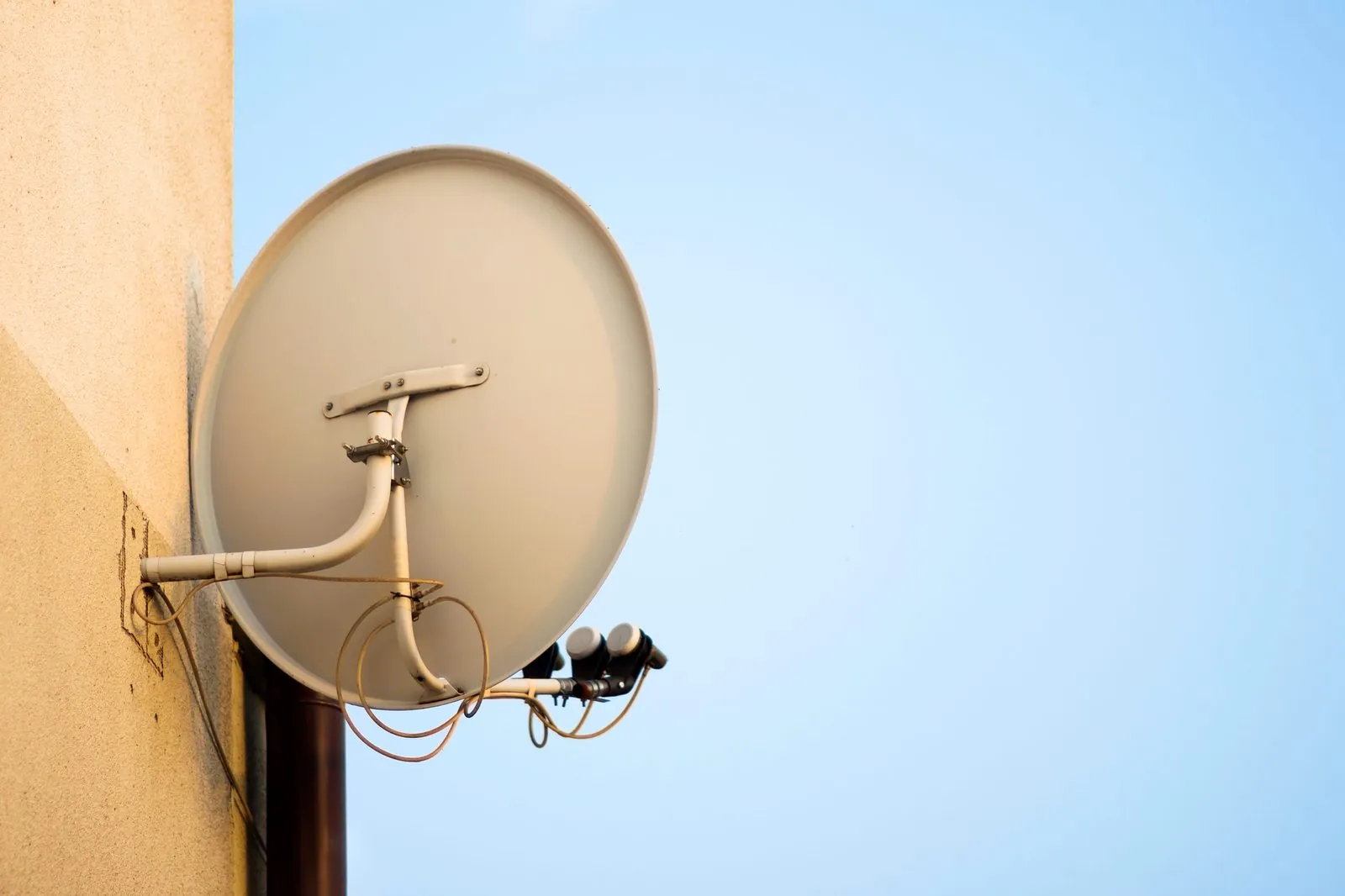
Many of Johannesburg's established suburbs are known for their large, mature trees, in gardens and along pavements. They make for pleasant streets, but a tree that sits between your dish and the north-eastern sky can block the signal completely, and trees keep growing. A dish that worked well when it was installed may start losing signal years later as branches fill the gap.
A few things to keep in mind:
- Consider how trees in that direction will look in summer, when they are in full leaf, not only in winter.
- Branches that move in the wind can cause signal that comes and goes on breezy days.
- If the tree belongs to a neighbour or stands on the pavement, cutting it back may not be your decision. Moving the dish to a clearer spot is often the more practical option.
Suburbs such as Randburg have plenty of older, tree-lined properties where this comes up, but it can affect any garden with a large tree in the wrong place. A dish relocation to a higher or more open position is sometimes the simplest fix.
Sloping Properties and Hilly Areas
Johannesburg is built across ridges and koppies, and some properties sit on noticeable slopes. Height can work in your favour: a house high on a slope may have a clear view over everything around it. A house lower down, facing a ridge or with a neighbour's property rising behind it towards the north-east, may find the hill or the building above it blocks the view.
Parts of Roodepoort and the city's other ridge suburbs are typical of this. On a sloping site, the best dish position is sometimes not on the main house at all but on a higher wall, an outbuilding or a pole mount. Each option needs a safe, solid mounting point and a cable route back to the TVs.
Security Features and Dish Placement
High walls, electric fencing, razor wire and burglar bars are part of most Johannesburg properties. They affect installation in a few ways.
- Electric fences need distance. Dish and cable work should be kept well clear of electric fencing. OnspotElec does not do electrical work, so any change to a fence or its wiring is a job for the fence installer or an electrician.
- Do not make the dish a climbing aid. A dish or pole mounted against a perimeter wall should not give anyone an easy step up onto the wall or roof.
- Plan the cable entry. Cables should enter the house through a neat, sealed hole, not through a gap left in a window or security gate.
- Overhead power lines. Keep dishes, poles and ladders away from overhead lines, which are a serious hazard on many older streets.
- Know who you are letting in. Confirm the installer's details and booking before opening the gate, and be present while the work is done.
Please do not climb onto the roof or over a wall to adjust a dish yourself. If your signal has gone and you are not sure why, call 083 489 1322 and describe what you see.
Freestanding Homes, Cottages and Backyard Rooms
Many freestanding properties, in Soweto and across the rest of the city, have more than one dwelling or living space on the stand, such as a main house plus a cottage or backyard rooms. If more than one household on the stand wants DStv, they each need their own subscription and decoder, but they do not always need their own dish. A single dish with suitable distribution equipment can serve several decoders, which keeps the roof tidy and reduces the number of brackets on the walls.
Before planning a shared setup like this, agree who owns and maintains the dish and switch, because a fault there will affect everyone connected to it.
Johannesburg DStv Installation Questions
Not always. If the dish is sound and aligned, it may only need a new LNB or new cabling to suit the new decoder. An installer can test it and tell you.
Yes, where the house itself has no clear view. The pole needs a solid foundation and the cable needs a protected route back to the house.
OnspotElec serves Gauteng, including Johannesburg and its surrounding suburbs. See the Johannesburg area page for more, or call to check availability for your address.
Every Johannesburg property is a little different, so the right setup depends on what is around yours. Call OnspotElec on 083 489 1322 or request a quote and tell us about the property and what you want to watch.